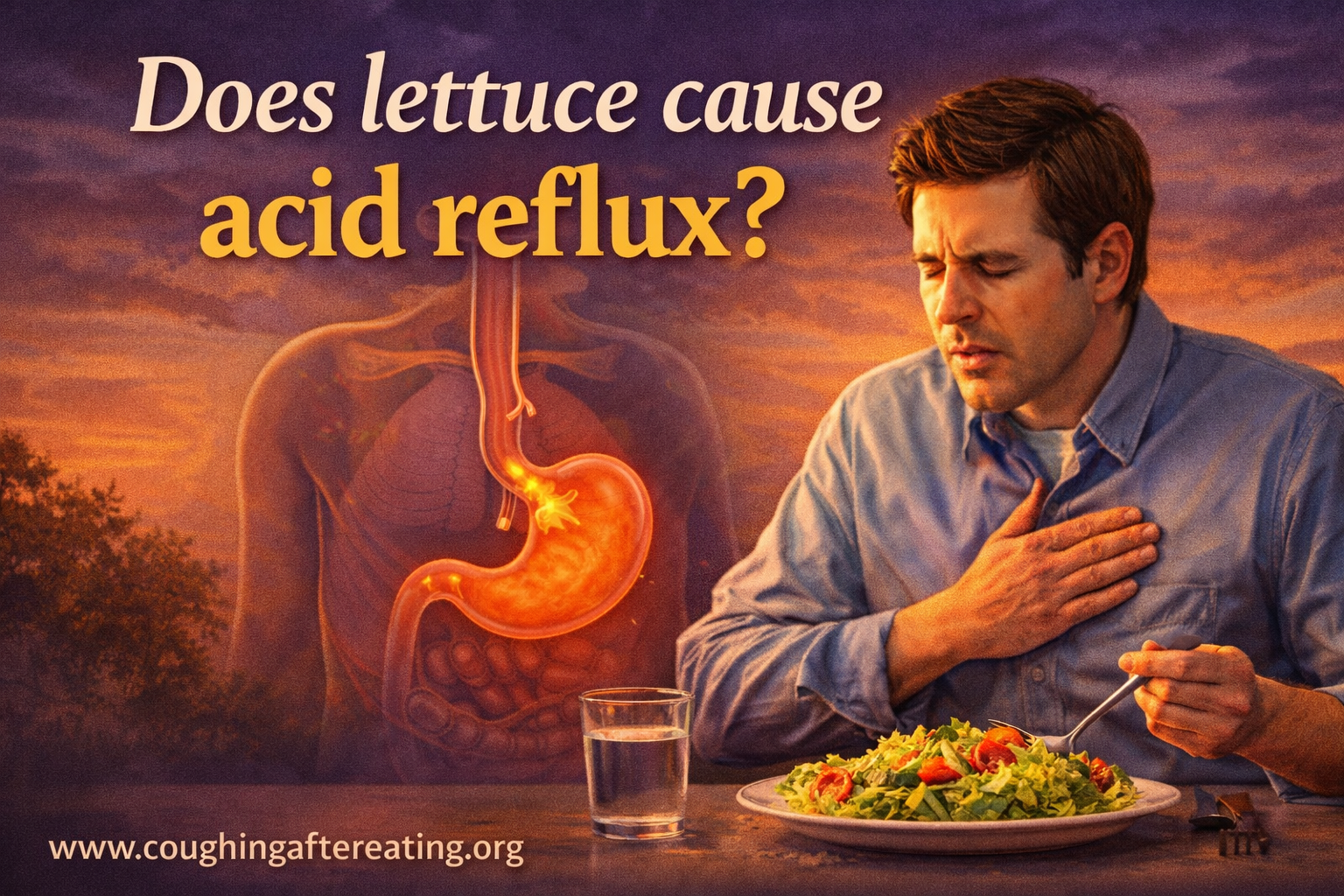
Does Lettuce cause acid reflux?
Lettuce is often considered one of the safest foods for people dealing with digestive issues. It is light, water-rich, low in fat, and commonly included in “bland diet” recommendations. But some people still wonder: Can Lettuce cause acid reflux?
The short answer is that Lettuce does not directly cause acid reflux in most people. However, individual digestive sensitivity, portion size, and what Lettuce is eaten with can influence symptoms. Understanding how reflux works helps clarify where Lettuce fits in.
What is acid reflux?
Acid reflux happens when stomach contents move backward into the esophagus. This can cause symptoms such as:
Heartburn
Chest discomfort
Sour taste in the mouth
Throat irritation
Chronic cough
Reflux is more likely when the lower esophageal sphincter (LES) relaxes inappropriately or when pressure inside the abdomen increases.
Certain foods can relax the LES or delay stomach emptying. These include high-fat meals, spicy foods, chocolate, and carbonated drinks. Lettuce does not fall into these categories.
Is Lettuce acidic?
Lettuce itself is not highly acidic. In fact, most varieties of Lettuce have a relatively neutral to slightly alkaline pH.
Because it is mostly water and fiber, Lettuce does not stimulate acid production in the stomach the way fatty or heavily processed foods might. From a chemical standpoint, there is no strong reason for Lettuce to trigger reflux.
So why do some people feel discomfort after eating a salad?
Possible reasons someone might feel reflux after eating Lettuce
If symptoms appear after eating Lettuce, the cause is usually indirect.
1. Portion size
Large salads can increase stomach volume. When the stomach becomes overly full, internal pressure rises. This pressure can push stomach contents upward, especially if someone lies down or bends forward soon after eating.
In this case, the issue is not Lettuce itself — it is the quantity consumed.
2. Salad additions
Lettuce is rarely eaten alone. Many salads include:
High-fat dressings
Fried toppings
Cheese
Spicy ingredients
Acidic sauces
Fat slows stomach emptying and increases reflux risk. If symptoms occur after a salad, the dressing is often more likely to blame than the Lettuce.
3. Raw vegetable sensitivity
Some individuals find that raw vegetables cause bloating. Bloating increases abdominal pressure, which can make reflux more noticeable.
If someone has a sensitive digestive system, large amounts of raw Lettuce may contribute to gas or fullness. This does not mean Lettuce causes reflux directly — but the bloating may make symptoms worse.
4. Eating too quickly
Salads are often eaten quickly, especially at lunch. Eating fast increases swallowed air and reduces proper chewing. Both can lead to fullness and pressure in the stomach.
Again, this is a behavioral factor rather than a property of Lettuce itself.
Types of Lettuce and reflux
Not all Lettuce varieties are the same.
Iceberg Lettuce
Iceberg Lettuce is mostly water and very mild. It is generally the least likely to cause digestive discomfort.
Romaine Lettuce
Romaine Lettuce has more fiber and nutrients than Iceberg. It is still considered reflux-friendly for most people.
Leaf Lettuce and butter Lettuce
These varieties are soft and easy to digest. They are unlikely to trigger reflux unless eaten in very large amounts.
There is no strong evidence that one type of Lettuce is significantly more reflux-inducing than another.
Does cooking Lettuce make a difference?
Cooking breaks down fiber and reduces raw plant bulk. Some people who experience bloating from raw vegetables tolerate lightly cooked greens better.
If someone suspects raw Lettuce worsens symptoms, they may experiment with:
Smaller portions
Mixing raw and lightly steamed greens
Eating Lettuce earlier in the day rather than late at night
However, most people with reflux tolerate raw Lettuce without difficulty.
When Lettuce may worsen symptoms
Although uncommon, there are situations where Lettuce may feel uncomfortable.
Late-night large salads
Eating a very large salad late in the evening and then lying down soon afterward increases reflux risk — regardless of the ingredients.
Pre-existing bloating disorders
People with irritable bowel tendencies or significant gas formation may notice that raw vegetables cause abdominal distension. This increased pressure may worsen reflux symptoms.
Extremely sensitive reflux
Some individuals have highly sensitive esophageal tissue. Even normal stomach acid exposure can trigger symptoms. In these cases, almost any food may seem like a trigger.
It is important not to automatically blame Lettuce without evaluating overall eating patterns.
Is Lettuce recommended for people with reflux?
Yes, in most cases.
Lettuce is:
Low in fat
Low in acidity
Light and water-rich
Generally easy to digest
Reflux management typically emphasizes reducing fatty, fried, and spicy foods. Lettuce does not fall into these categories.
In fact, Lettuce may be part of a reflux-friendly diet when combined with:
Lean protein sources
Mild, low-fat dressings
Smaller portion sizes
Upright posture after meals
The overall meal composition matters more than the Lettuce itself.
How to eat Lettuce if you have reflux
If you are concerned about symptoms, consider these practical steps:
Avoid heavy, creamy dressings
Limit portion size
Eat slowly and chew thoroughly
Avoid lying down for 2–3 hours after meals
Pair Lettuce with easily digestible foods
Pay attention to patterns. If symptoms consistently occur after salads but not other meals, evaluate what else is included.
Should you avoid Lettuce completely?
For most people, no.
Eliminating Lettuce without clear evidence may unnecessarily restrict diet variety. Fiber-rich vegetables are important for digestive health. Removing them without reason can reduce nutritional balance.
Instead of avoiding Lettuce outright, observe:
Timing of meals
Portion size
Added ingredients
Body position after eating
Reflux is usually influenced by multiple factors rather than one single vegetable.
When to speak to a doctor
If reflux symptoms are:
Frequent
Severe
Associated with difficulty swallowing
Causing weight loss
Persistent despite dietary changes
Medical evaluation is important.
In such cases, the issue is unlikely to be Lettuce itself. Underlying GERD, hiatal hernia, or other digestive conditions may need proper assessment.
Final answer: does Lettuce cause acid reflux?
Lettuce does not typically cause acid reflux. It is mild, low in fat, and not highly acidic. However, very large portions, heavy toppings, bloating, or eating late at night may make symptoms more noticeable.
For most individuals, Lettuce is considered reflux-friendly when eaten in moderation and as part of a balanced meal.
If symptoms persist, it is best to look at overall dietary habits rather than focusing on one ingredient.